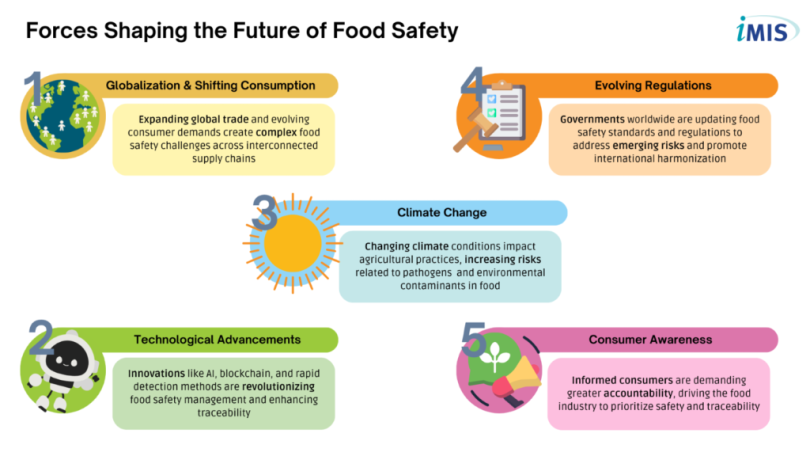

With the implementation of the state’s revised food traceability framework, procurement of cafe supplies is now being scrutinised more closely throughout New South Wales. The NSW Food Regulation 2025 went into effect on September 1, 2025, and it places stricter documentation and supplier verification requirements on businesses that purchase fresh vegetables and dairy products.
The modifications are meant to boost supply chain transparency and reduce the risk of foodborne illness. A critical license deadline for produce suppliers is February 12, 2026, therefore cafe owners must make sure their suppliers maintain compliant traceability records right away to avoid interruptions to daily operations and supplier relationships.
Understanding the Regulatory Changes
The 2015 framework is replaced by the NSW Food Regulation 2025, which has significant changes. The main impact of the revisions is on how cafes procure and record higher-risk items and fresh vegetables.
Businesses that grow or process berries will need to apply for licences from the NSW Food Authority starting on February 12, 2026. Melon and green vegetable vendors are subject to the same regulations. This is a major change in the state’s regulatory supervision of café supply.
One-step-back, one-step-forward traceability is required under the regulation. Produce suppliers need to keep track of where they get and distribute their produce. Berry providers who run several farms are required to record the locations of their growing sites.
Licenses are not necessary for smaller growers with less than two cultivated hectares. They must, however, adhere to national norms and report their activities to the Food Authority. Cafe operators must confirm which category their suppliers fall within.
Primary processors handling produce between premises face detailed record-keeping requirements. These include supplier contact details and product descriptions. Lot identification numbers and quantities received must be documented. The requirements fundamentally alter how cafe supplies move through the state’s food system.
Licensed egg producers are required to put in place long-term management strategies for Salmonella Enteritidis. Strict hygienic procedures and routine microbiological testing at business establishments are examples of this. Infants and the elderly are among the vulnerable groups that are particularly at danger from the infection.
Unacceptable microbiological test findings must now be reported by dairy and meat companies within accelerated deadlines. As a result, possible problems with food safety can be addressed more quickly.
Cafe Operators’ Supply Chain Accountability
Food safety is monitored from farm to table by the NSW Food Authority. Instead of viewing cafés as merely final consumers, this strategy views them as vital elements in the food safety chain.
Full-chain accountability means cafes share responsibility for food safety outcomes. When sourcing cafe supplies, operators must consider supplier compliance capabilities alongside quality and price. Documentation systems need to capture supplier information and lot numbers. Product specs and delivery dates must be systematically recorded.
In NSW, there are about 40,000 retail food establishments. Cafes and caterers fall under this category. Approximately 14,500 higher-risk firms are directly licensed by the Food Authority. Most cafes are subject to local council regulation through regular inspections and registration.
Industry suppliers recognise the compliance shift. Complete Wholesale Suppliers provides cafe supplies and packaging solutions to hospitality businesses across Australia. The company has observed increased demand for suppliers demonstrating comprehensive traceability documentation.
Strategic Advantages Beyond Compliance
Traceability offers benefits extending beyond regulatory requirements. Research indicates consumers will pay approximately 32% more for food products with traceability information. In Australia’s specialty coffee market, roasters leveraging transparent supply chains command price premiums of 25 to 40% over commodity options.
Demonstrating traceable sourcing can become a competitive differentiator for cafes. Single-origin products with compelling origin stories attract customers viewing purchases as experiential investments.
Traceability enables faster responses during recalls. Cafes with detailed lot tracking can identify and remove only affected batches. This minimises waste and operational disruption compared to disposing of entire ingredient categories.
Immediate Implementation Steps
Understanding the regulation differs from implementing compliance. Cafe owners should take specific practical actions now.
Supplier Verification Process
Contact suppliers providing berries and leafy vegetables to verify their compliance status. Essential verification includes:
- Registration or licensing status under current regulations
- Growing site location documentation availability
- Lot identification system capabilities
- Traceability processes covering one step back and forward
- Recall protocol and notification procedures
For egg suppliers, confirm Salmonella Enteritidis testing compliance. Dairy and meat suppliers should demonstrate microbiological testing protocols and understand accelerated reporting timeframes.
Reputable suppliers expect these verification requests. Those unable or unwilling to demonstrate compliance may pose operational risks.
Internal Documentation Requirements
Cafes must maintain their own records supporting traceability. Essential documentation includes:
Supplier Information
- Name and address with license numbers
- Product specifications and quality standards
- Delivery schedules and contact procedures
Product Details
- Lot numbers and batch codes for all ingredients
- Quantities received with dates
- Temperature logs for potentially hazardous foods
- Storage locations and rotation systems
Many cafes find digital traceability platforms more efficient than paper-based systems. Temperature monitoring devices and supplier management software streamline documentation while reducing human error. The Australian Government’s investment of over $100 million into agricultural traceability systems indicates technology will increasingly support these processes.
Managing Financial Impact and Partnerships
The regulation acknowledges some businesses will experience increased costs. Higher fees enable the Food Authority to strengthen enforcement operations. These costs often flow through to cafes.
Supplier price increases are likely as licensing fees add to operational expenses. Testing requirements and documentation systems contribute additional costs. Cafes may need to invest in their own documentation technologies and staff training.
But considering compliance only in terms of expense ignores long-term advantages. Strong traceability lowers recall-related losses and safeguards the reputation of the brand. These elements support business sustainability in ways that counteract short-term costs.
Cafes can use the regulation to improve their connections with suppliers instead of seeing it as an adversarial rule. Frequent compliance check-ins open doors for platforms for sharing documentation. Operational resilience is increased through cooperative contingency planning for possible recalls.
Compliance clauses in long-term contracts give both parties assurance. Cafes secure their supply, and suppliers profit from loyal customers. When supply chain disruptions occur, these collaborations build resilience.
Keeping up connections with several compliant suppliers offers fallback choices in the event that major suppliers experience compliance problems. Seasonal fluctuations are easier to control when local and distributed sourcing are balanced.
In order to satisfy changing compliance standards, Complete Wholesale Suppliers is modifying its operations. The business understands that in highly competitive markets, traceability documentation will help suppliers stand out.
Alignment of National Strategy
The National Agricultural Traceability Strategy 2023–2033 is in line with the NSW Food Regulation 2025. Coordinated methods for improving agricultural traceability throughout Australian supply chains are offered by this ten-year plan.
The significance of traceability for biosecurity and market access is reflected in federal government expenditure. Verifiable provenance and safety requirements are becoming more and more important in global marketplaces. Demonstrated supply chain integrity is essential to Australia’s reputation for high-quality cuisine.
As more information regarding hazards to food safety becomes available, more industries may be subject to licensing regulations. As blockchain and IoT sensors become more widely available, technology adoption will accelerate.
Cafes who build strong traceability foundations now put themselves in a favorable position for upcoming demands. The systems and abilities created for present compliance will be applicable to future regulatory modifications.
Developing Resilience in Operations
A significant change in food safety regulation is represented by the NSW Food Regulation 2025. The rule presents cafes with chances and difficulties to set themselves apart through transparent sourcing.
The deadline is quickly approaching in February 2026. Cafe operators will gain the trust of their patrons if they aggressively check supplier compliance. Operational resilience is produced by putting in place documentation systems and fortifying supplier relationships, which go beyond legal requirements.
Regulatory pressure is turned into a competitive advantage through thorough documentation and systematic supplier verification. To guarantee compliance and reap strategic benefits, quick action is crucial.