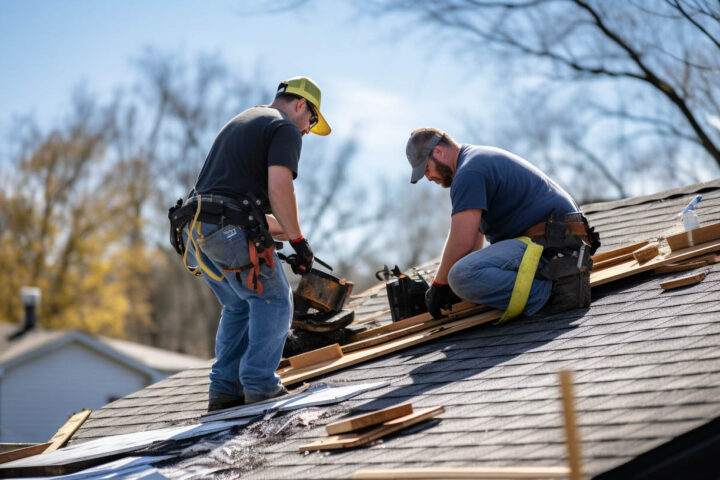

Homeowners often focus on visible upgrades when improving their property. Kitchens, landscaping, and interior renovations typically receive the most attention because their impact is immediately noticeable. However, one of the most important elements of a home is often ignored until major problems appear: the roof.
A roofing system protects nearly every part of a property from weather exposure and structural damage. When roofing issues go unnoticed or unresolved, the consequences can spread quickly throughout the home. Water intrusion, insulation damage, mold growth, and structural weakening are only a few of the potential problems that can result from neglected roof maintenance.
Understanding the importance of timely repairs and routine inspections can help homeowners avoid expensive restoration projects while preserving the long-term value of their property.
The Hidden Costs of Ignoring Minor Roofing Problems
Small roofing issues rarely stay small for very long. A missing shingle, cracked sealant, or damaged flashing may seem insignificant at first, but these seemingly minor problems can gradually allow moisture to penetrate beneath the roof surface.
Once water enters the structure, it can affect insulation, drywall, ceilings, and wooden framing. Moisture trapped inside a home may also contribute to mold growth and indoor air quality concerns.
Many homeowners delay repairs because they assume visible damage is the only sign of a problem. Unfortunately, hidden moisture damage often develops long before leaks become obvious indoors.
Common consequences of delayed roof repairs include:
- Structural wood rot
- Mold and mildew growth
- Damaged insulation
- Interior ceiling stains
- Higher energy bills
- Electrical risks from water intrusion
- Reduced property value
Addressing roofing concerns early is usually far less expensive than dealing with extensive repairs later.
Why Weather Conditions Accelerate Roof Wear
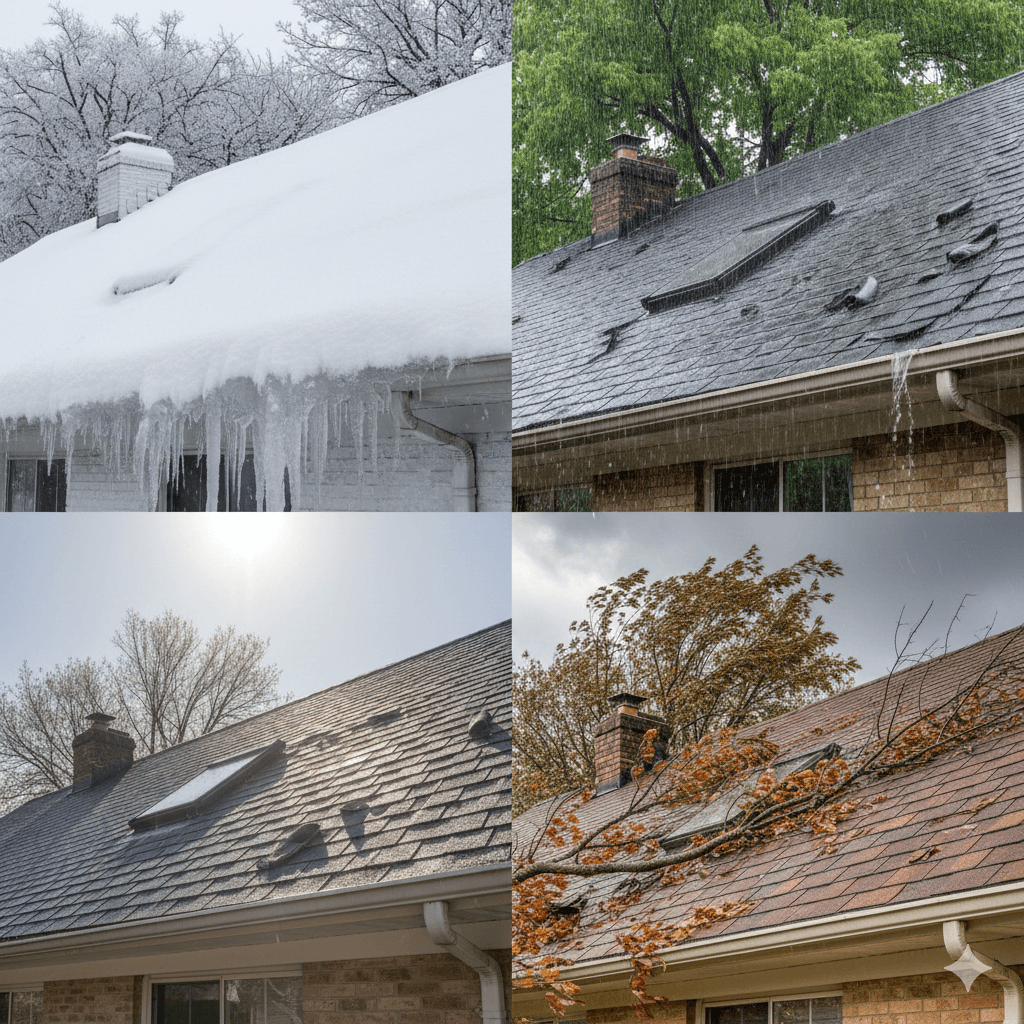
Every climate creates unique challenges for roofing systems. In warmer regions, prolonged UV exposure can dry out roofing materials and weaken shingles over time. Heavy rainfall and strong storms place additional stress on flashing, gutters, and drainage systems.
Temperature fluctuations also affect roof performance. Expansion and contraction caused by changing temperatures can gradually create cracks or loosen materials.
Storm-related damage deserves particular attention. Wind may lift shingles or expose vulnerable sections of the roof, while hail can create punctures that are difficult to identify without a professional inspection.
Because environmental stress accumulates over time, roofs require ongoing monitoring even when no obvious issues are visible.
Signs That a Roof May Need Attention
Many homeowners are unsure how to recognize roofing problems before major damage occurs. While some issues require a professional inspection, several warning signs should never be ignored.
Water Stains on Ceilings or Walls
Discoloration indoors is often one of the earliest signs of a roof leak. Even small stains may indicate moisture entering the structure.
Damaged or Missing Shingles
Shingles that are cracked, curled, or missing leave the roof more vulnerable to weather exposure.
Granule Accumulation in Gutters
As shingles age, they may shed protective granules into gutters. Excessive granule loss can signal material deterioration.
Sagging Roof Areas
Sagging sections may indicate structural weakening caused by trapped moisture or long-term damage.
Sudden Increases in Utility Bills
Roofing problems can affect insulation and ventilation, forcing heating and cooling systems to work harder.
Recognizing these signs early allows homeowners to schedule repairs before conditions worsen.
The Value of Routine Roof Inspections
Routine inspections are one of the most effective ways to protect a roofing investment. Professional inspections help identify vulnerabilities that may not be visible from the ground.
Roofing professionals typically evaluate:
- Shingle condition
- Flashing around chimneys and vents
- Drainage systems and gutters
- Roof ventilation
- Moisture damage or soft spots
- Structural integrity
- Signs of storm-related damage
Regular inspections are especially important after severe weather events. Some storm damage may not become noticeable until months later, after water has already entered the structure.
Homeowners researching the best roofing company San Antonio residents often consider professionals who provide detailed inspections and long-term maintenance guidance tailored to local weather conditions.
How Roofing Impacts Energy Efficiency
Roofing systems influence more than structural protection alone. They also play a major role in indoor comfort and energy efficiency.
Poor ventilation or damaged roofing materials can allow heat to accumulate inside the attic, increasing strain on air conditioning systems during warmer months. In cooler weather, inadequate insulation may allow heat to escape.
Modern roofing systems are often designed with energy performance in mind. Features such as reflective shingles, improved ventilation systems, and upgraded underlayment can help reduce heat transfer.
Potential benefits of energy-conscious roofing include:
- Improved indoor temperature consistency
- Reduced HVAC strain
- Better moisture control
- Enhanced attic ventilation
- Potential utility savings over time
While roofing alone does not determine energy performance, it contributes significantly to how efficiently a home manages indoor temperatures.
Planning for Roof Longevity
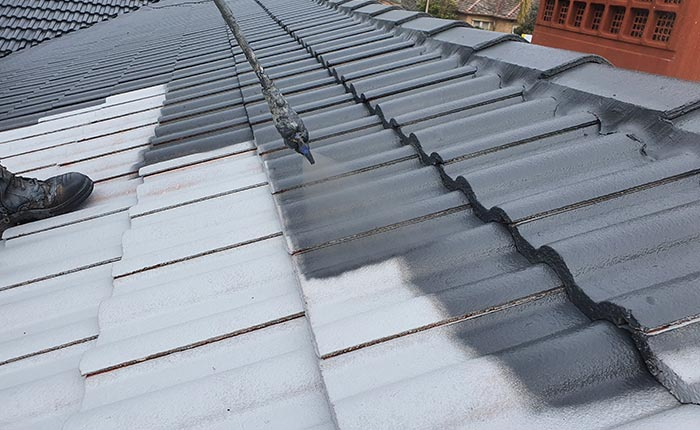
A roof should be viewed as a long-term investment rather than a temporary fix. Homeowners who prioritize routine maintenance often extend the lifespan of their roofing systems substantially.
Simple preventative strategies can make a major difference over time.
Keep Gutters Clear
Clogged gutters can force water beneath shingles and increase moisture exposure.
Trim Overhanging Trees
Tree branches can scrape roofing materials and contribute to debris buildup.
Address Small Repairs Promptly
Minor repairs completed early are usually less expensive and less disruptive.
Schedule Annual Inspections
Professional evaluations help identify hidden vulnerabilities before they escalate.
Monitor Indoor Warning Signs
Ceiling stains, musty odors, or peeling paint may point to roofing issues.
These preventative habits support long-term roof durability and reduce the likelihood of emergency repairs.
Choosing a Roofing Professional Carefully
Hiring the right roofing contractor is an important decision for any homeowner. Experience, communication, and workmanship all influence project quality and long-term roof performance.
Homeowners should look for contractors who offer:
- Proper licensing and insurance
- Transparent estimates
- Clear communication
- Experience with local weather conditions
- Detailed inspection processes
- Honest repair recommendations
A reliable contractor should focus on helping homeowners understand the condition of their roof rather than pushing unnecessary services.
Long-term relationships with experienced roofing professionals can also simplify future maintenance planning and improve overall confidence in the property’s condition.
Conclusion
A roofing system protects far more than the top layer of a home. It shields the structure, insulation, interior finishes, and overall property value from ongoing environmental stress.
When roofing issues are ignored, the resulting damage can spread quickly and become far more expensive to repair. By investing in routine inspections, timely repairs, and preventative maintenance, homeowners can improve roof longevity while reducing the risk of major structural problems.
Taking a proactive approach to roofing care not only protects the home itself but also supports greater peace of mind for years to come.