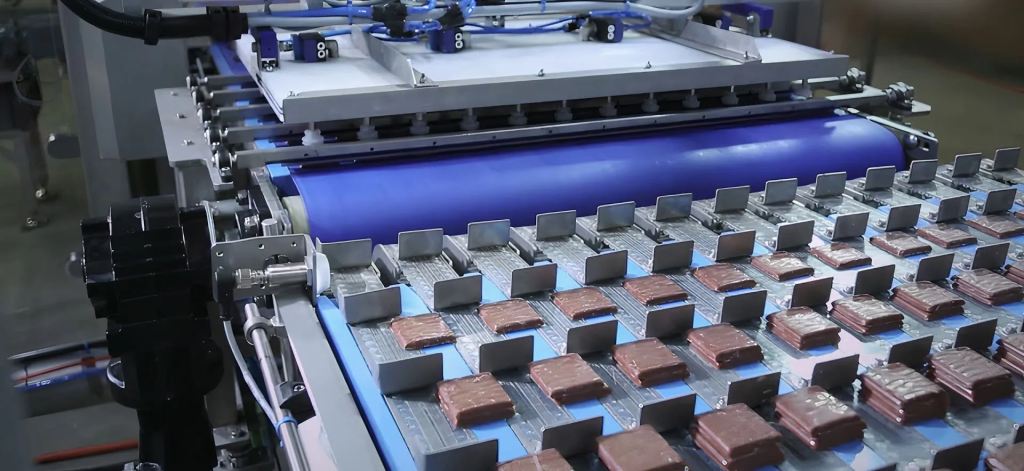
The food industry has always relied on innovation to meet changing consumer needs, but few areas have evolved as rapidly as packaging. Today, modern food packaging equipment is doing far more than simply sealing products in boxes or bags. It is reshaping how food is preserved, transported, marketed, and experienced. From improving shelf life to enhancing sustainability and efficiency, advanced packaging technology is becoming a driving force behind the industry’s transformation.
At its core, packaging is about protection. Food must be shielded from contamination, moisture, oxygen, and physical damage. Traditional packaging methods accomplished this in basic ways, but they often came with limitations. Newer equipment, powered by automation, sensors, and smart controls, offers a much higher level of precision. Machines can now monitor temperature, pressure, and sealing quality in real time, ensuring that each package meets strict safety standards. This level of consistency reduces waste and helps companies comply with increasingly demanding regulations.
One of the most significant changes brought by advanced packaging equipment is its impact on efficiency. In the past, packaging lines depended heavily on manual labour, which made them slower and more prone to error. Modern systems use robotics and computerised controls to automate tasks such as filling, sealing, labelling, and sorting. These machines can operate continuously at high speeds while maintaining accuracy. As a result, manufacturers can process larger volumes of food in less time, respond more quickly to market demand, and lower production costs.
Improved efficiency also supports scalability. Small and medium-sized food producers, once limited by labour and space, can now expand their operations with modular and flexible equipment. Many modern machines are designed to handle multiple packaging formats, allowing companies to switch between different product sizes or materials without major downtime. This adaptability is especially valuable in a market where consumer preferences shift quickly and customisation is becoming more common.
Another area where advanced packaging equipment is making a major difference is food preservation. Technologies such as modified atmosphere packaging and vacuum sealing are now widely integrated into automated systems. These methods replace oxygen inside the package with gases that slow down bacterial growth and oxidation. As a result, fresh foods such as meat, dairy, fruit, and ready-to-eat meals stay safe and appealing for longer periods. Extended shelf life benefits both manufacturers and consumers by reducing spoilage, lowering costs, and minimising food waste.
Sustainability has also become a central concern in the food industry, and packaging plays a critical role in this conversation. In the past, convenience often came at the expense of the environment, with excessive plastic and non-recyclable materials dominating the market. Today’s advanced equipment is designed to work with eco-friendly materials such as biodegradable films, recyclable paper-based packaging, and lightweight composites. Precise cutting and sealing technologies help minimise material usage, while intelligent systems reduce errors that lead to wasted packaging.
Moreover, modern machines can support circular economy initiatives by enabling the use of recycled materials without compromising quality. This helps brands meet environmental regulations and appeal to environmentally conscious consumers. For many companies, sustainable packaging is no longer just a marketing strategy but a business necessity, and advanced equipment makes it achievable on a large scale.
Digitalisation is another powerful force shaping packaging technology. Smart machines are now connected through industrial networks, allowing data to be collected and analysed in real time. This connectivity enables predictive maintenance, where potential issues are identified before they cause breakdowns. Instead of waiting for a machine to fail, operators can schedule repairs based on performance data, reducing downtime and extending equipment life.
Data also improves quality control. Cameras and sensors inspect packages for defects such as improper seals, incorrect labels, or missing information. Faulty products are automatically removed from the line, ensuring that only compliant items reach consumers. This level of monitoring builds trust and protects brand reputation in a highly competitive market.
Beyond functionality, packaging has become an important part of storytelling and branding. Advanced equipment allows for high-quality printing, personalised labelling, and innovative designs that attract attention on shop shelves. Short production runs and variable data printing make it possible to create seasonal packaging, limited editions, or region-specific designs without excessive cost. This flexibility helps brands connect more closely with their audiences and respond quickly to trends.
The rise of e-commerce has further increased the importance of sophisticated packaging solutions. Food products sold online must withstand long shipping distances and multiple handling stages. Advanced equipment can create protective, tamper-evident, and lightweight packages optimised for delivery. This ensures that products arrive in good condition while keeping shipping costs under control.
Looking ahead, the role of advanced packaging equipment will only grow. Emerging technologies such as artificial intelligence, machine learning, and augmented reality are beginning to influence how packaging lines are designed and operated. These tools promise even greater automation, smarter decision-making, and more personalised production. As these innovations mature, they will further blur the line between manufacturing, logistics, and marketing.
In many ways, packaging has become the silent partner in the success of modern food businesses. It protects products, supports sustainability, enhances efficiency, and communicates brand identity. Advanced equipment makes all of this possible at a scale and level of reliability that was unimaginable just a few decades ago.
As consumer expectations continue to rise and competition intensifies, companies that invest in modern packaging technology are positioning themselves for long-term success. By embracing innovation in food packaging equipment, the industry is not only improving how food is delivered to tables around the world, but also shaping a more efficient, sustainable, and responsive future.