
Screen time and snacking often come as a pair. The snack chosen in that moment can shape how the rest of the night feels. Some options keep energy and focus fairly even. Others hit fast, then fade, which can lead to stronger cravings and a constant urge to keep grazing.
Processed foods can still fit screen-time snacking when the choice is thoughtful. The easiest wins usually come from three basics: portion-friendly packaging, a solid mix of protein and fiber, and labels that are easy to compare. The goal is simple—pick snacks that feel good now and still feel good later.
A Simple Setup That Supports Better Snack Choices
Many snack decisions happen without much thought. A small setup keeps things controlled during longer entertainment sessions. It works best when the session starts on a familiar page, like desi player, and the snack plan is set before the first few minutes slip by.
This approach suits a processed-food audience because it treats packaged snacks as real products with predictable trade-offs. Screen habits already lean toward convenience: quick breaks, easy grabs, and minimal prep.
What “Steady Energy” Looks Like on a Nutrition Label
Energy tends to feel more even when snacks include slower-digesting parts, not just quick sugar or refined starch. Two label areas offer the clearest guidance: macronutrients and added sugars.
Protein helps with satisfaction. Fiber supports a slower rise and fall in hunger. Added sugars can be part of a snack, but higher added sugar often leads to a quick sweetness rush and then a stronger urge to keep eating. Since most labels list added sugars clearly, comparing similar products is usually straightforward.
Sodium is another detail worth checking during long screen sessions. Salty snacks can be enjoyable, but very high sodium can increase thirst and lead to more sweet drinks. Looking at sodium per serving helps keep the overall balance comfortable.
Serving size matters just as much as the numbers. Some packages look like one portion but list more than one serving. Checking “servings per container” sets expectations before the bag is halfway gone.
Packaging Features That Make Snacking Cleaner
Packaging often signals how a snack will behave during a long session. For screen time, the most useful formats usually share three traits: clear portions, reseal options, and low mess.
Individual packages prevent mindless refilling. Resealable bags help with pacing. Individual portions can also help manage crumbs and grimy fingers, which is a concern near phones, controllers, keyboards, and remote controls.
Texture: This is another aspect that should not be ignored. The powdered chips or full-flavored munchies might stain fingers. The clean ones would be bars, baked chips, protein bites, or crackers that are lightly seasoned.
Processed Snacks That Often Feel Better Later
For screen time, the most comfortable picks are portioned and include some protein or fiber, with added sugar and sodium kept reasonable. Common options that tend to sit well include:
- Greek yogurt cups or other higher-protein dairy snacks.
- Roasted chickpeas or crunchy legumes.
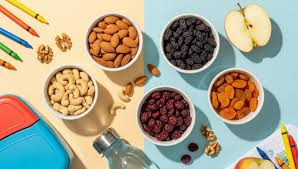
- Single-serve nut and seed packs.
- Cheese snacks with whole-grain crackers.
- Jerky with a clearly stated serving size.
- Protein bars that emphasize protein/fiber over candy-style coatings.
- Portion-controlled popcorn.
- Tuna or chicken snack kits.
- Hummus cups with pretzels or baked pita chips.
- Single-serve frozen mini-meals with a clear protein source on the label
A quick label scan still helps, especially for added sugars and sodium, so the snack feels satisfying instead of turning into constant nibbling.
Timing and Pairing Ideas That Keep Cravings Calmer
Screen time can stretch, and long sessions can turn one snack into several. Two habits help keep it steady: pairing and timing.
Pairing means combining a “fun” snack with something that increases fullness. Chips feel more complete with yogurt. Something sweet feels more balanced with nuts or a protein-forward option. The idea is simple: pair quick carbs with something that slows the appetite swing.
Timing is choosing a clear moment to snack instead of grazing the entire session. A snack near the start can reduce repeated picking later. A planned mid-session snack can work too, especially when it lines up with a natural break—halftime, an episode switch, an intermission, or a pause between activities.
Make It Easy: Small Choices, Smoother Screen Time
Processed foods can fit screen time in a way that feels practical and satisfying. The difference comes from a few choices made upfront: portion clarity, label awareness, and snack formats that suit long sessions.
Pick one snack style from the list, keep water nearby, and set the plan before entertainment starts. Open the preferred screen-time destination, keep the snack ready, and let the session feel smooth from the first minute to the last.