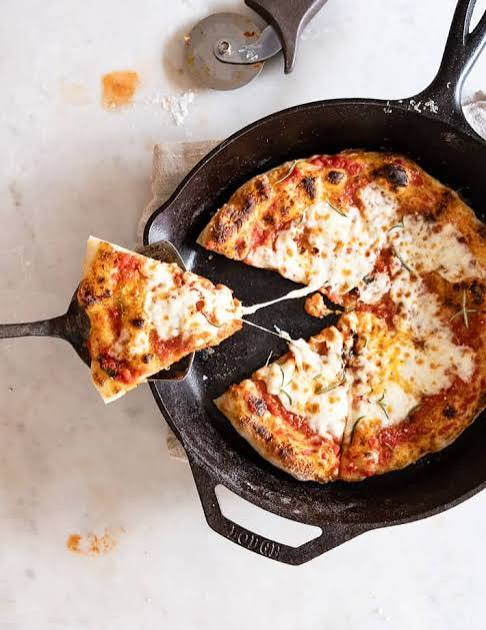

There is something special about making pizza from scratch. The process combines simple ingredients with creativity, allowing you to customize every bite exactly the way you like it. Whether you’re preparing dinner for your family, entertaining guests, or simply enjoying a weekend cooking project, homemade pizza delivers both incredible flavor and a sense of accomplishment.
While ordering takeout is convenient, learning how to make your own pizza helps you appreciate what goes into creating the perfect crust, flavorful sauce, and balanced toppings.
Start with a Great Dough
Every outstanding pizza begins with quality dough. The basic ingredients are simple: flour, water, yeast, salt, and a little olive oil. The secret is allowing enough time for the dough to rise properly. A slow rise helps develop flavor while creating a lighter, airier crust.
After mixing the ingredients, knead the dough until it becomes smooth and elastic. Place it in a lightly oiled bowl, cover it, and let it rise until it doubles in size. Depending on the temperature, this usually takes one to two hours.
For even better flavor, many pizza enthusiasts refrigerate the dough overnight before baking.
Prepare a Fresh Pizza Sauce
Pizza sauce doesn’t have to be complicated. High-quality crushed tomatoes combined with garlic, oregano, basil, olive oil, salt, and a touch of black pepper create a delicious foundation for almost any pizza.
Some people prefer cooking the sauce first, while others spread it on the dough uncooked before baking. Both methods work well, and experimenting helps you discover your preferred flavor profile.
Avoid using too much sauce, as excess moisture can prevent the crust from becoming crispy.
Choose Fresh Ingredients
The quality of your toppings greatly affects the finished pizza. Fresh mozzarella melts beautifully, while freshly grated Parmesan adds extra richness.
Popular vegetables include:
- Mushrooms
- Bell peppers
- Red onions
- Spinach
- Tomatoes
- Black olives
For meat lovers, pepperoni, Italian sausage, grilled chicken, bacon, and ham all make excellent choices.
The key is balance. Overloading the pizza with toppings can make it difficult to cook evenly and may leave the crust soggy.
Stretch the Dough Carefully
Once the dough has risen, gently stretch it into your desired shape. Many experienced pizza makers avoid using a rolling pin because it pushes out the tiny air pockets that help create a light, chewy crust.
Instead, use your fingertips to gradually stretch the dough from the center outward. If the dough resists stretching, allow it to rest for several minutes before trying again.
Whether you prefer a thin crust or something thicker, maintaining an even thickness helps ensure consistent baking.
Assemble Your Pizza
Begin by spreading a thin layer of sauce over the dough, leaving a small border around the edges for the crust.
Next, add the cheese evenly across the surface. Then arrange your toppings so they’re distributed evenly without overcrowding any one area.
A light drizzle of olive oil before baking can enhance browning and add additional flavor.
Bake at High Heat
One of the biggest differences between homemade pizza and restaurant pizza is baking temperature. Professional pizza ovens often exceed 700 degrees Fahrenheit, producing beautifully blistered crusts within minutes.
At home, preheat your oven to its highest safe temperature, usually between 475 and 550 degrees. If you have a pizza stone or baking steel, allow it to heat thoroughly before placing the pizza inside.
Bake until the crust turns golden brown and the cheese is bubbling with slightly browned spots.
Finish with Fresh Herbs
After removing the pizza from the oven, let it cool for just a couple of minutes before slicing.
Fresh basil, oregano, crushed red pepper flakes, grated Parmesan, or a drizzle of extra virgin olive oil can elevate the flavor even further.
These finishing touches provide freshness that balances the richness of the cheese and sauce.
Learn from the Professionals
Making pizza at home is rewarding, but visiting a local pizzeria can provide inspiration for new topping combinations and baking techniques. Observing how experienced chefs prepare dough, balance ingredients, and bake pizzas can improve your own cooking skills.
If you’re looking for ideas or simply want to enjoy an expertly prepared meal, visiting a pizza restaurant in Indianapolis can introduce you to classic recipes as well as creative specialty pizzas that you may want to recreate at home.
Trying different styles—from traditional New York slices to wood-fired Neapolitan pizzas—can expand your appreciation for the many varieties available.
Practice Makes Perfect
Like many culinary skills, pizza making improves with practice. Each batch teaches something new about dough consistency, baking times, ingredient combinations, and flavor balance.
Experiment with different flours, cheeses, sauces, and toppings until you discover your favorite recipe. Before long, you’ll have a homemade pizza that rivals many restaurants while giving you complete control over every ingredient.
The satisfaction of serving a hot, fresh pizza made entirely from scratch is hard to beat, and it’s a meal that family and friends will look forward to enjoying again and again.